Repeatable Marketing System: How to Build a Steady Customer Pipeline
Saturday, May 02, 2026

Most small businesses do not need more random marketing activity. They need a system.
A repeatable marketing system gives you a clear path for moving people from stranger to lead, from lead to buyer, and from buyer to repeat customer. Instead of relying on one-off campaigns, scattered social posts, or last-minute promotions, this approach helps you build a steady stream of qualified customers over time.
The goal is not to do more marketing. The goal is to make every stage of your marketing work together.
Start With the Basics
Before you create offers, emails, ads, or sales pages, you need three foundations: your customer avatar, your value proposition, and your message.
1. Define Your Customer Avatar
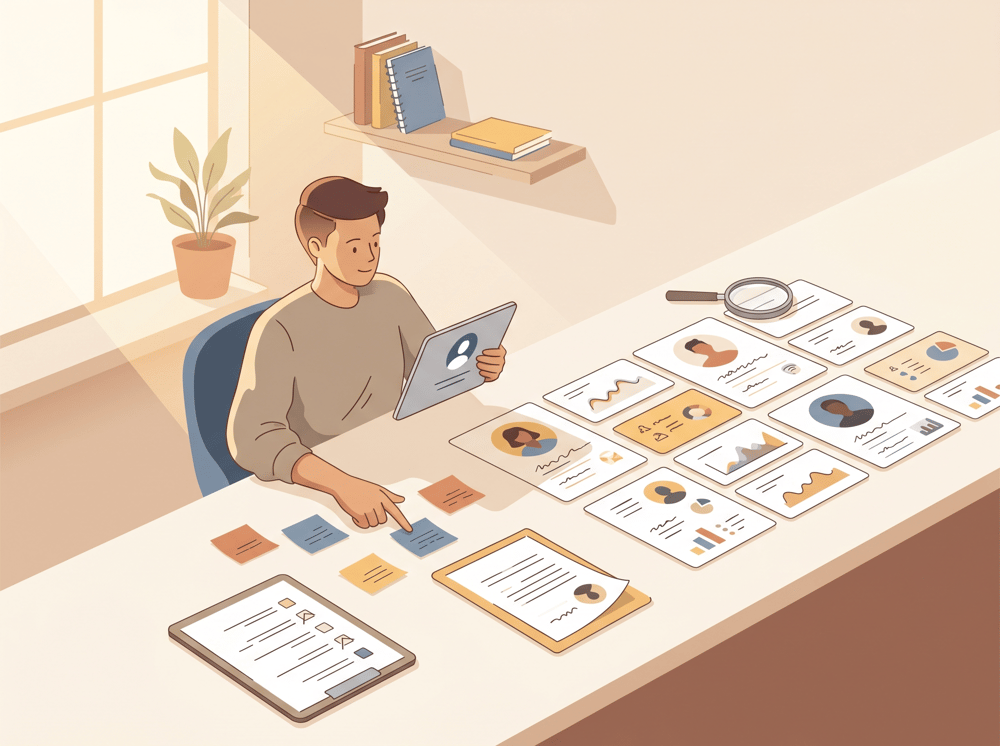
Your avatar is the person you are trying to reach. It helps you understand who your ideal customer is, what they need, and who is not a good fit.
Without this clarity, your marketing becomes too broad. You may attract attention, but not from the right people. A clear avatar helps you make better decisions about your content, offers, sales pages, and follow-up process.
A strong avatar should answer a few practical questions:
1. Who has the problem you solve?
2. Who is most likely to value your offer?
3. Who is ready, willing, and able to buy?
4. Who should you avoid targeting?
This step matters because every later part of your repeatable marketing system depends on it. Your lead capture offer, nurture content, sales process, customer experience, and referral strategy all work better when they are built for a specific audience instead of a vague market.
2. Clarify Your Value Proposition
Your value proposition explains why someone should choose your product or service over another option.
It should clearly state what you offer, who it is for, and why it is better or more relevant than the alternatives. This does not need to sound clever. It needs to be clear.
A useful value proposition helps your audience quickly understand the connection between their problem and your solution. It gives people a reason to keep paying attention.
For a small business, this is especially important. You may not have the biggest budget, the loudest brand, or the longest track record. But you can still win by being specific, relevant, and easy to understand.

3. Turn Strategy Into a Clear Message
Once you know your avatar and value proposition, you can shape your message.
Your message is how you communicate the value of your offer in a way that lands with your audience. It should show the contrast between where the customer is now and what becomes possible when they choose your product or service.
Good messaging creates recognition. The customer should feel, “This is for me.”
That usually means speaking to real problems, real goals, and real objections. Avoid vague promises. Use language your audience would actually use. The clearer your message, the easier it becomes to create content, lead magnets, emails, ads, and sales pages that feel connected.
Build Trust Before Asking for the Sale
Many businesses try to sell too early. A repeatable marketing system works better when it builds trust first.
Trust gives people a reason to listen. It lowers resistance. It helps your audience see that you understand their problem before you ask them to buy.
4. Create a Lead Capture Offer

A lead capture offer gives people a reason to join your email list. It should be closely related to your paid offer and deliver a quick win.
The best lead capture offers solve one focused problem. They do not try to teach everything. They help the audience make one small improvement quickly.
Common lead capture formats include:
Checklists
Short guides
Templates
PDF resources
Audio lessons
Short videos
Mini trainings
For example, a business coach might offer a “10-Minute Pricing Clarity Checklist.” A web designer might offer a “Homepage Conversion Audit Template.” A bookkeeping firm might offer a “Monthly Expense Tracker for Small Business Owners.”
The key is relevance. A lead capture offer should attract people who are likely to benefit from your paid service later. If it attracts the wrong audience, your email list may grow, but your sales pipeline will not.
5. Nurture the Lead

Once someone joins your list, the relationship begins.
Lead nurturing is how you deliver consistent value before asking for the sale. This can include educational emails, useful examples, customer stories, short tips, common mistakes, or simple frameworks that help your audience make progress.
The goal is not to send random content. The goal is to build a trust-based relationship.
Strong nurture content should answer questions your potential customers are already asking. It should help them understand their problem, see what is possible, and feel more confident about taking the next step.
This is where many small businesses miss an opportunity. They collect email addresses, then either send nothing or only send sales messages. A better approach is to stay useful, relevant, and consistent.
When your audience sees value before they buy, the sales conversation becomes easier.
Convert When Trust Has Been Built
Sales conversion works better when it comes after value.
By this stage, people understand your message, have experienced your thinking, and are warmer than a cold visitor. They know what you stand for. They know how you help. They have had time to decide whether your approach fits their needs.
6. Convert Leads Into Buyers

Sales conversion is the point where trust turns into action.
This may happen through a sales page, discovery call, checkout page, consultation, webinar, proposal, or direct offer. Whatever the format, the purpose is the same: help the right person make a confident buying decision.
A strong sales conversion process should explain:
Who the offer is for
What problem it solves
What the customer receives
Why the offer is relevant now
What happens after they buy
How to take the next step
Do not overcomplicate this stage. People do not need more confusion when they are deciding whether to buy. They need clarity.
A good sales process should also make it easy for the wrong person to opt out. That protects your time, improves customer fit, and creates a better experience for everyone.
7. Deliver a World-Class Experience

The sale is not the finish line. It is the start of the customer relationship.
After someone buys, your job is to deliver an experience that confirms they made the right decision. This is where trust either grows or weakens.
A world-class experience does not always mean expensive. It means thoughtful, reliable, and better than expected.
That might include:
Clear onboarding
Fast communication
Simple next steps
Helpful support
Smooth delivery
Proactive updates
A strong follow-up process
When customers feel looked after, they are more likely to stay longer, buy again, and recommend your business. The customer experience becomes part of your marketing because people remember how you made them feel after the sale.
Retain and Multiply Growth

Retention turns marketing from a straight line into a growth cycle.
Instead of constantly chasing new buyers, you build more value from the customers you already have. This is especially important for startups and small businesses, where time, budget, and capacity are limited.
8. Increase Lifetime Value
Lifetime value is created by designing what happens after the first purchase.
Too many businesses make the first sale, deliver the offer, and then leave the next step to chance. A stronger approach is to think ahead. What does this customer need next? What would help them continue making progress? What offer naturally follows the first one?
That could be:
An upgrade
A follow-up service
A subscription
A maintenance plan
A premium package
A related product
A longer-term support option
The next offer should feel like a natural continuation, not a random upsell. When it is relevant, customers are more likely to see it as helpful rather than pushy.
This is how small businesses create deeper customer relationships and more stable revenue over time.
9. Build a Referral System
Referrals should not be left to chance.
Happy customers may talk about you, but a referral system makes that easier and more intentional. For startups and small businesses, referrals can be one of the most valuable growth channels because trust is already part of the introduction.
A referred customer often arrives with less skepticism. They have heard about you from someone they already know. That can shorten the decision process and improve the quality of the lead.
A simple referral system might include:
A clear moment to ask
An easy way to refer
A short message customers can share
A thank-you process
A small reward or recognition
A follow-up system for referred leads
The best referrals usually come from happy customers who understand exactly who you help. That is why your avatar, message, offer, delivery experience, and retention strategy all matter. Each part of the system supports the next.
Why a Repeatable Marketing System Works
The power of a repeatable marketing system is that every stage feeds the next.
Your avatar shapes your value proposition. Your value proposition shapes your message. Your message shapes your lead capture offer. Your lead capture offer grows your list. Your list supports nurturing. Nurturing supports conversion. Delivery supports retention. Retention supports referrals.
That is how marketing becomes more predictable.
Instead of treating each campaign as a separate effort, you build a cycle that can improve over time.
You can test your message, improve your lead offer, strengthen your emails, refine your sales process, upgrade the customer experience, and make referrals easier.
A steady pipeline is rarely built from one big move. It usually comes from a clear system that is repeated, measured, and improved.
Build trust first. Convert second. Retain and multiply growth after that.
Want help with your Repeatable Marketing System?
We can help. Contact BeaverRo Digital
Marketing funnels for small businesses that need more booked calls, leads, and customers.