
Why Small Businesses Need a Lead Magnet Funnel
Thursday, August 27, 2026

Small businesses and solopreneurs rarely have unlimited time, budget, or staff. That makes every marketing activity carry more weight. A lead magnet funnel gives you a focused way to turn website visitors, social media followers, podcast listeners, or local prospects into email subscribers you can reach again.
A lead magnet funnel is a simple exchange: you offer something useful for free, and the visitor gives you their email address. ClickFunnels describes the basic structure as two pages: an opt-in page where people subscribe, and a thank you page where the free resource is delivered. From there, the business follows up by email to provide value and build trust.

Why Lead Magnet Funnels Matter for Small Businesses
For many small businesses, the hardest part of marketing is not only getting attention. It is keeping the relationship going after someone leaves the website or social platform. Constant Contact’s 2024 Small Business Now report found that 60% of surveyed SMBs said acquiring new customers was their top marketing challenge, while 33% struggled to understand what was working and 32% cited lack of resources.
That is why a lead magnet funnel is useful. It gives small businesses a practical bridge between first contact and a future sale. Instead of hoping a visitor comes back, you invite them to join your email list by offering something immediately helpful.
This is especially important for solopreneurs. A coach, consultant, photographer, bookkeeper, designer, or local service provider may not have a sales team. A lead magnet funnel can answer common questions, qualify interest, and start the relationship before a discovery call or purchase.
The Strategic Role of the Lead Magnet

A strong lead magnet is not random free content. It should connect to the problem your business solves.
The U.S. Small Business Administration explains that market research helps business owners find customers, understand consumer behavior, and reduce risk. It also recommends identifying demand, market size, customer location, competitors, and pricing when studying a market.
Apply that same thinking to your lead magnet strategy. Start with one customer group and one problem. A fitness coach might offer a “7-day beginner meal planning checklist.” A tax preparer might offer a “small business expense tracker.” A web designer might offer a “homepage audit checklist.”
The best lead magnet creates a quick win. It should be useful enough to earn trust, but focused enough that it naturally leads to your paid product or service.
A Simple Lead Magnet Funnel Strategy

Start with your target market. The SBA notes that business strategy can be summarized through the problem you solve, your unique solution, your target market, and your business identity. It also explains that tactics should match the strategy.
For a lead magnet funnel, that means each piece should line up:
The audience: Who do you want to attract?
The problem: What question, frustration, or task do they already care about?
The lead magnet: What free resource helps them move one step forward?
The opt-in page: What promise makes the resource feel worth requesting?
The thank you page: How will you deliver the resource and set expectations?
The follow-up emails: What helpful sequence will continue the conversation?
The opt-in page should stay focused. Use a clear headline, a short explanation of the benefit, a simple form, and one call to action. Asking for too much information can create friction. For most small businesses, a first name and email address are enough at the start.
The thank you page should confirm the signup and make the next step obvious. Deliver the promised resource, explain when they should expect emails, and give them one useful next action. That next action could be reading a related article, booking a consultation, watching a short training, or replying with a question.
Follow-Up Is Where Trust Builds
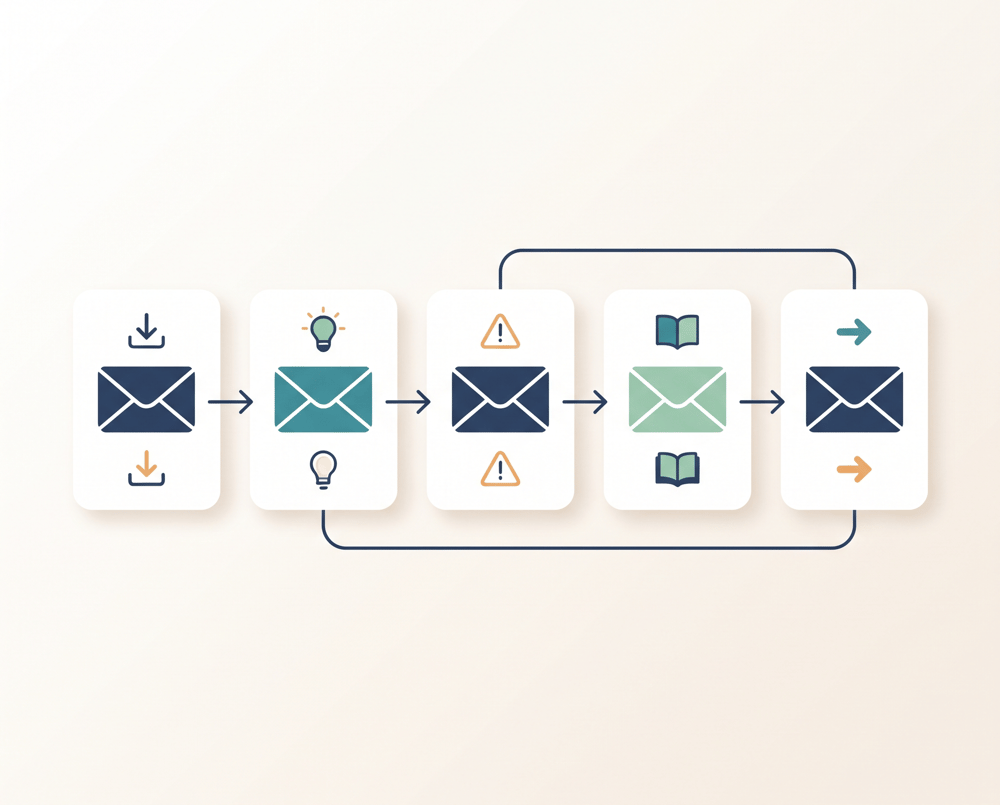
The funnel does not end after the download. The email follow-up is where small businesses and solopreneurs can show expertise over time.
Email marketing ROI is revenue generated by email campaigns relative to their cost, and notes that email is efficient because it combines direct audience access, low distribution costs, and personalization at scale.
A simple five-email sequence can work well:
- Deliver the lead magnet and welcome the subscriber.
- Share one helpful tip related to the resource.
- Explain a common mistake and how to avoid it.
- Share a short client-style scenario or educational example.
- Introduce the next step, such as a consultation, offer, demo, or product.
Keep the tone useful, not pushy. Small businesses often win through trust, familiarity, and personal connection. Your emails should feel like helpful guidance from a real person.
Advantages for Solopreneurs and Small Teams
A lead magnet funnel has several advantages for businesses with limited resources.
First, it helps you build an owned audience. Social media reach can change, but an email list gives you a direct channel to people who asked to hear from you.
Second, it makes your marketing easier to measure. You can track page visits, opt-ins, email opens, clicks, replies, and sales conversations. That gives you more clarity than posting content without a follow-up path.
Third, it creates leverage. One well-built funnel can keep working while you serve clients, fulfill orders, or manage daily operations. Constant Contact’s 2025 report found that 42% of SMBs globally had less than one hour per day to spend on marketing, which makes reusable systems valuable. The same report found that 44% of small businesses said email was their most effective marketing channel.
Fourth, it supports better segmentation. If someone downloads a pricing checklist, they may be closer to buying. If someone downloads a beginner guide, they may need more education first. Over time, your lead magnets can help you understand what your audience wants.
Keep Compliance in Mind
If your follow-up emails include commercial messages, make sure your email practices comply with Canada’s Anti-Spam Legislation, commonly known as CASL. In Canada, businesses that send commercial electronic messages generally need consent, must identify who is sending the message, and must include a working unsubscribe mechanism in each message.
Consent can be express or implied, depending on the situation. Express consent means the person has clearly agreed to receive commercial messages. Implied consent may apply in specific cases, such as certain existing business relationships, but it is more limited and should be managed carefully.
Your emails should also make it easy for people to understand who is contacting them and how to stop receiving messages. If someone unsubscribes, the request must be processed without delay and no later than 10 business days after it is received.
Compliance is not just legal housekeeping. It also protects trust. People should know who is emailing them, why they are receiving the email, and how to unsubscribe without confusion.
Final Takeaway
A lead magnet funnel helps small businesses and solopreneurs turn attention into relationships. It gives people a low-pressure way to learn from you, while giving your business a direct channel for follow-up.
Start small. Choose one audience, solve one specific problem, create one useful resource, build a focused opt-in page, deliver the resource on a thank you page, and send a short follow-up sequence. That simple system can make your marketing more consistent, measurable, and relationship-driven.
Need Help With Your Lead Funnel Implementation?
Building a lead magnet funnel is simple in theory, but getting the strategy, pages, automation, and follow-up emails right takes planning. BeaverRo Digital can help you create and implement a lead funnel that attracts the right prospects, grows your email list, and supports your sales process.
Ready to turn more visitors into leads? Contact BeaverRo Digital at BeaverRo Customer Success to get started.
Marketing funnels for small businesses that need more booked calls, leads, and customers.